
Now Reading: Staying Active at Work: Tips for Desk Job Workers
-
01
Staying Active at Work: Tips for Desk Job Workers
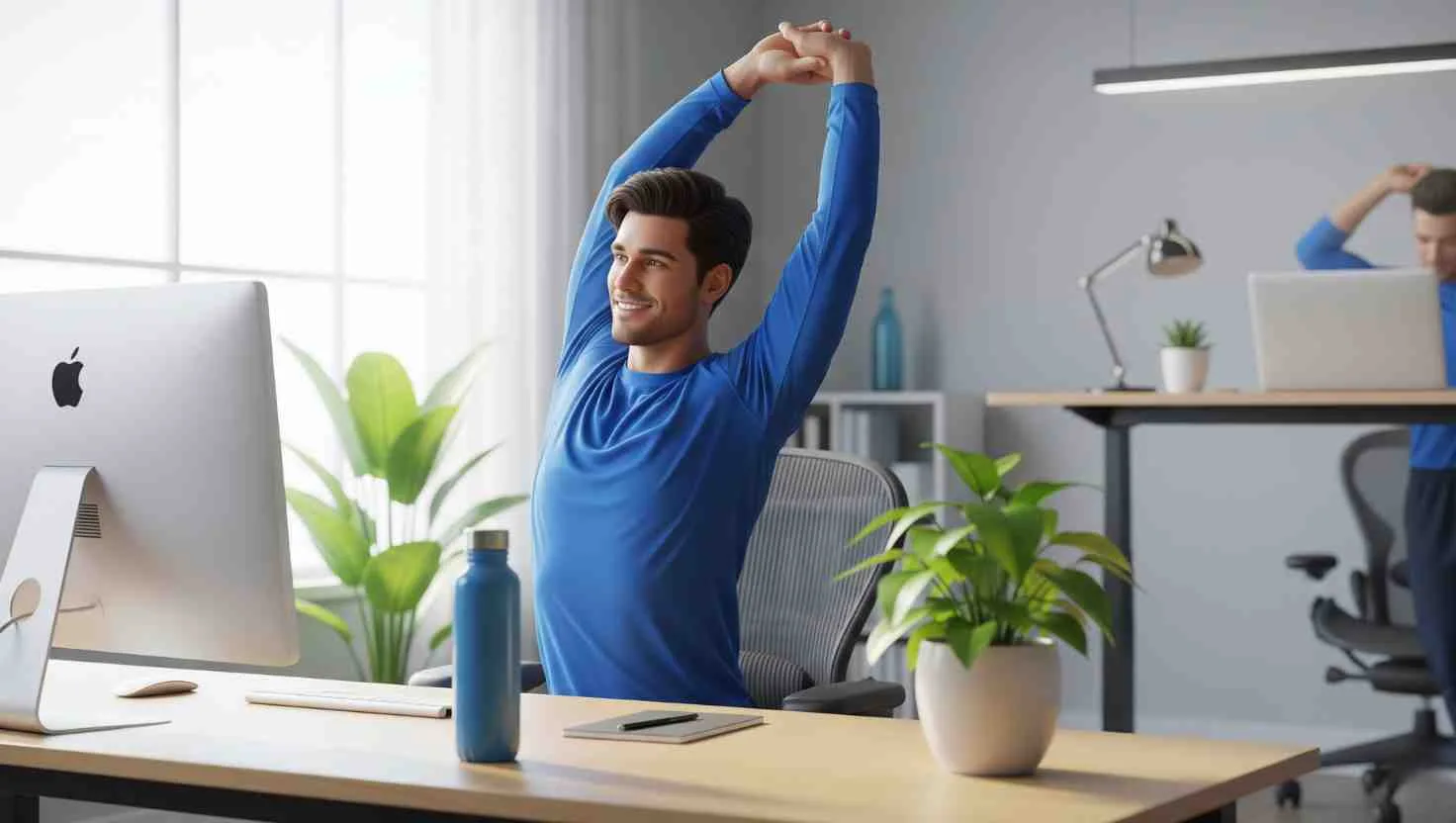

Sitting eight hours a day? Here’s why movement matters. If you’re one of the millions of desk job workers, you know the struggle of staying active amidst deadlines and meetings. But small movements throughout the day can transform your health and productivity. In this article, we’ll explore why staying active at work is crucial and share practical desk job fitness tips to help you thrive in the USA, UK, Canada, or Europe.
Health Hazards of Sedentary Work
Prolonged sitting is more than just uncomfortable—it’s a health risk. Research from the Mayo Clinic suggests that sitting for long periods can increase the risk of death from heart disease and cancer. The Better Health Channel highlights that excessive sitting may lead to obesity, type 2 diabetes, and mental health issues like depression and anxiety. Harvard Health notes that habitual inactivity raises the risk of deep-vein thrombosis and metabolic syndrome, a cluster of conditions including high blood pressure and excess body fat.
A study cited by Healthline found that men who spent over 23 hours per week watching television had a 64% higher risk of dying from cardiovascular disease compared to those who watched for 11 hours. Experts also suggest that sitting more than 11 hours daily is considered very high risk for health complications, with a 147% increased risk of heart attack or stroke. Musculoskeletal discomfort, such as back, neck, or leg pain, is another common issue, as reported by Medical News Today. These risks underscore the need to prevent sedentary health risks through regular movement.
| Health Risk | Details |
|---|---|
| Heart Disease & Cancer | Sitting over 8 hours daily with no activity increases mortality risk, comparable to smoking or obesity. |
| Obesity & Diabetes | Prolonged sitting is linked to weight gain and type 2 diabetes due to slowed metabolism. |
| Mental Health | Increased risk of depression and anxiety from lack of physical activity. |
| Musculoskeletal Issues | Back, neck, and leg pain from prolonged static postures. |
Benefits of Regular Movement at Your Desk
Regular movement can counteract the negative effects of a sedentary workday. Even small actions like stretching or walking can improve circulation, boost energy, enhance focus, and maintain good posture. According to Harvard Health, standing or moving during the day lowers the risk of early death compared to sitting at a desk. The NHS recommends breaking up long sitting periods with light activity to reduce health risks.
Research suggests that regular movement helps regulate blood sugar, blood pressure, and fat metabolism, reducing the risk of obesity, type 2 diabetes, and certain cancers. It also strengthens muscles and bones, preventing the weakening that comes from prolonged sitting. By incorporating these office exercise ideas, you can feel more energized and focused, making your workday more productive.
| Benefit | How It Helps |
|---|---|
| Improved Circulation | Enhances blood flow, reducing risks like deep-vein thrombosis. |
| Boosted Energy | Increases alertness and reduces fatigue. |
| Enhanced Focus | Improves mental clarity for better productivity. |
| Better Posture | Strengthens muscles to prevent slouching and pain. |
Simple Office Exercises and Stretch Breaks
You don’t need a gym to stay active at work. WebMD suggests standing up and stretching every 30 minutes, touching your toes, or taking a short walk around the office. For stretch breaks for desk workers, try moving for 1-2 minutes every half hour to keep your spine aligned. Simple office exercise ideas include:
- Seated Leg Lifts: Lift one leg straight out, hold for a few seconds, then switch.
- Shoulder Rolls: Roll your shoulders forward and backward to relieve tension.
- Desk Push-Ups: Place hands on your desk, step back, and do gentle push-ups.
- Neck Stretches: Tilt your head side to side to ease neck stiffness.
These exercises are discreet and effective, helping you stay active at work without disrupting your workflow. Consider elevating your computer on a box or using a standing desk to encourage more standing time.
Integrating Movement into Your Workflow
Workday movement strategies can seamlessly fit into your routine. The Pomodoro Technique, where you work for 25 minutes and take a 5-minute break, is a great way to add movement. Use those breaks to stretch or walk. Walking meetings are another excellent option—discuss projects while strolling instead of sitting in a conference room. Standing desks allow you to alternate between sitting and standing, reducing sedentary time.
Other tips include:
- Take the Stairs: Skip the elevator to get more steps.
- Park Farther Away: Increase your walking distance to the office.
- Use Activity Trackers: Set step or activity goals to stay motivated.
- Stand During Calls: Walk or stand while on the phone to avoid sitting.
The American Heart Association and MU Health Care emphasize that even a minute of activity can make a difference. These habits not only prevent sedentary health risks but also boost productivity by keeping you alert.
Building a Supportive Workplace Culture
A workplace that encourages movement can transform employee health. Companies can organize team stretch sessions or yoga classes during lunch breaks. Fitness challenges, like step competitions or walking clubs, motivate everyone to stay active. Ergonomic assessments ensure workstations are set up to prevent strain, while standing or treadmill desks offer alternatives to sitting.
Workplace wellness programs are gaining traction, with many offering fitness classes, stress management workshops, and mindfulness training. A Harvard Business Review study suggests that comprehensive wellness programs can yield a return on investment as high as six to one, improving health, productivity, and morale. However, some research, like a New York Times study, questions the effectiveness of certain programs, indicating that results depend on execution. Despite this, fostering a culture of movement benefits everyone.
| Workplace Initiative | Benefits |
|---|---|
| Team Stretch Sessions | Encourages camaraderie and reduces tension. |
| Fitness Challenges | Motivates employees through friendly competition. |
| Ergonomic Assessments | Prevents strain and improves comfort. |
| Standing/Treadmill Desks | Reduces sitting time and promotes movement. |
When to Seek Professional Advice
If you’re experiencing persistent pain or discomfort from sitting, don’t ignore it. An ergonomist can assess your workstation and recommend adjustments, such as setting your chair, desk, or monitor to the right height for proper alignment. The Mayo Clinic and OPA Ortho emphasize that proper ergonomics can prevent musculoskeletal disorders and eye strain. Physical therapists can offer exercises or treatments to relieve pain and improve mobility. If you have underlying health conditions, consult your doctor to ensure your workspace isn’t worsening symptoms. Early intervention can prevent more serious issues down the line.
Conclusion & Next Steps
Staying active at work is essential for your health and productivity. By incorporating simple office exercises, stretch breaks for desk workers, and workday movement strategies, you can reduce the risks of prolonged sitting. A supportive workplace culture with fitness initiatives and ergonomic solutions can amplify these benefits. If pain persists, seek professional advice to optimize your setup. Start small—set a daily movement goal, like standing every hour or walking during lunch. Share these desk job fitness tips with your office friends and support each other to stay active. Your body will thank you!
Call-to-Action: Set a daily movement goal and share these tips with your office friends to stay active together!
Key Citations:
- New York Times – Workplace Wellness Programs Have Little Benefit
- Mayo Clinic – Health Risks of Prolonged Sitting
- Better Health Channel – The Dangers of Sitting