Now Reading: How Social Media Use Impacts Your Health: The Hidden Toll
-
01
How Social Media Use Impacts Your Health: The Hidden Toll

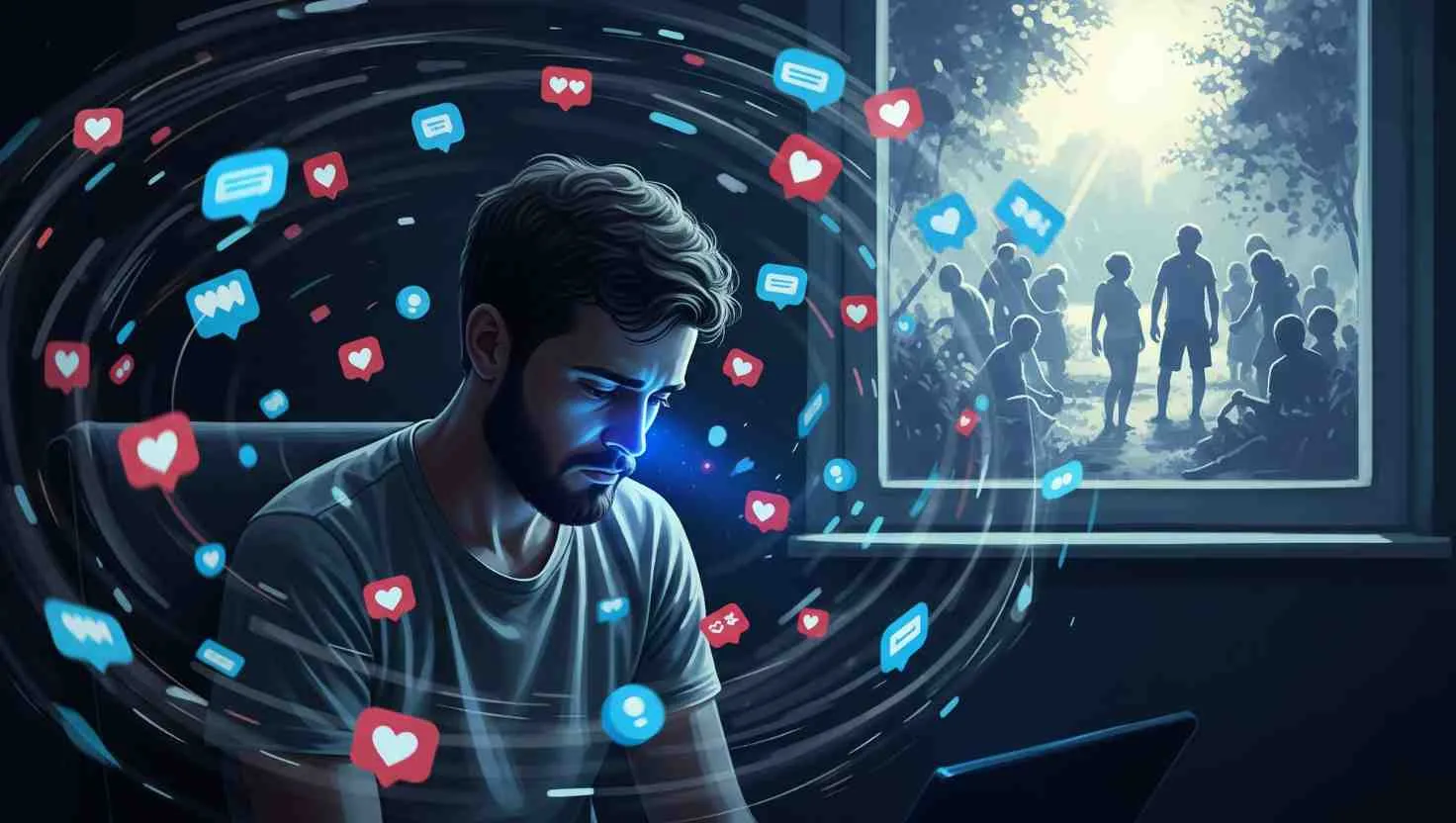
Have you ever caught yourself scrolling through social media late at night, only to realize hours have passed and you’re feeling more anxious than when you started? You’re not alone. Let’s face it—social media is everywhere these days. Whether it’s checking Instagram first thing in the morning or scrolling through Twitter before bed, many of us are glued to our screens. But have you ever stopped to think about how this constant connection might be affecting your health? Social media use has become a core part of our daily lives, connecting us with friends, family, and the world. Yet, beneath the surface of these connections lies a hidden toll on our physical and mental health. From the pressure to present a perfect life online to the endless stream of notifications, social media can take a significant toll on our well-being. In this article, we’ll explore the negative effects of social media use, backed by research from institutions like McLean Hospital and Johns Hopkins, and share practical tips to help you maintain a healthy balance.
Mental Health Impacts
Social media use can significantly impact mental health, often in ways that sneak up on us. Research suggests that excessive use is linked to increased anxiety and depression, particularly among teens and young adults. Imagine waking up and immediately reaching for your phone, only to see a friend’s post about their seemingly perfect vacation. Suddenly, your day feels a little dimmer, and you’re left wondering why your life isn’t as exciting. This “comparison culture” fuels feelings of inadequacy and low self-esteem, as we measure our behind-the-scenes lives against everyone else’s highlight reels. A 2023 study from BMC Psychology highlights how constant exposure to curated online personas can exacerbate existing mental health issues or even trigger new ones.
Cyberbullying is another serious concern. Social media platforms can be breeding grounds for harassment, where anonymity emboldens people to post hurtful comments or engage in public shaming. For many, especially younger users, this can lead to devastating effects, including heightened anxiety, depression, and, in severe cases, suicidal thoughts. The Fear of Missing Out (FOMO) also plays a role. Constant updates about others’ achievements or social events can create a nagging sense that you’re missing out, driving you to check your feeds obsessively and feel more disconnected from your own life. According to McLean Hospital, 69% of U.S. adults and 81% of teens use social media, putting a large portion of the population at risk for these mental health challenges.
Physical Health Consequences
The effects of social media use aren’t limited to mental health—your physical health can take a hit too. One major issue is sleep disruption. Many of us scroll through our feeds right before bed, but the blue light from screens can suppress melatonin, the hormone that helps you sleep. This makes it harder to fall asleep and reduces sleep quality, leading to fatigue and other health problems. Poor sleep is linked to weakened immunity, weight gain, and even chronic conditions like diabetes and heart disease, as noted by sources like Mayo Clinic.
Prolonged screen time also causes digital eye strain, with symptoms like dry eyes, blurred vision, and headaches. Have you ever noticed how spending a lot of time watching videos or scrolling through online platforms can leave some people feeling tired or experiencing eye discomfort? This is a common consequence of excessive social media use. Additionally, spending hours on social media often means sitting still, contributing to a sedentary lifestyle. This lack of physical activity can increase the risk of obesity, cardiovascular issues, and other health problems, making it clear that social media’s impact extends beyond the mind to the body.
Social Relationships and Emotional Well-being
Despite its name, social media can sometimes leave us feeling more isolated than connected. While it offers a platform for communication, interactions are often superficial, lacking the depth of face-to-face conversations. You might have hundreds of “friends” online but still feel lonely because these connections don’t provide the emotional support of real-world relationships. The constant connectivity of digital spaces can also blur the lines between work and personal life, making it hard to unplug and recharge. This can lead to burnout and increased stress, further impacting emotional well-being.
The pressure to present a perfect life online can also create inauthentic relationships. Many of us feel compelled to share only the best parts of our lives, which can lead to a disconnect between our online personas and our true selves. This inauthenticity makes it harder to form deep, meaningful connections, leaving us feeling more isolated despite being “connected” online. As noted by UC Davis Health, prioritizing networking cites over in-person interactions can increase feelings of loneliness and contribute to mood disorders like anxiety and depression.
The Addictive Nature of Social Platforms
Social media platforms are designed to keep you hooked, and they’re very good at it. Algorithms prioritize content that grabs your attention, using likes, comments, and shares to trigger dopamine release in your brain—the same “feel-good” chemical linked to pleasurable activities like eating or socializing. This creates a feedback loop that encourages excessive social media use, sometimes at the expense of other responsibilities. According to a 2023 report from the U.S. Surgeon General, the time adolescents spend on social channels can disrupt essential activities like sleep and physical activity, contributing to addiction-like behaviors.
Signs of social media addiction include neglecting work or relationships, feeling anxious when you can’t check your feeds, or using online platforms to cope with stress or boredom. The constant need for validation through likes and comments can also fuel addictive behaviors, as users seek external approval to boost their self-esteem. This cycle can make it hard to step away, even when digital media starts to feel more draining than enjoyable.
Impact on Different Age Groups
Social media’s effects vary across age groups, with teens and young adults being particularly vulnerable. Adolescents are still developing their sense of self and are highly influenced by peers, making them susceptible to the idealized images and lifestyles on social media. This can lead to body image issues, eating disorders, and other mental health challenges, as highlighted by Yale Medicine. For young adults, social media can interfere with productivity and focus, while also fostering feelings of inadequacy when comparing their achievements to others’. Older adults, on the other hand, may struggle with navigating platforms or feel left out if they’re less tech-savvy. Understanding these age-specific impacts can help tailor strategies to support different groups in managing their social media use.
Tips for a Healthy Relationship with Social Media
You don’t have to give up social media to protect your health—mindful use can make all the difference. Here are some practical strategies to create a healthier relationship with social media:
- Set Boundaries: Decide on specific times to check social media and stick to them. Turning off notifications can help you avoid constant distractions.
- Curate Your Feed: Follow accounts that inspire and uplift you, and unfollow those that trigger negative feelings or comparisons.
- Take Breaks: Step away from social media regularly to engage in offline activities like exercise, hobbies, or spending time with loved ones.
- Try a Digital Detox: Periodically take a complete break from social media to reset your habits and focus on real-world connections.
- Be Mindful: Pay attention to how online platforms make you feel. If it’s causing stress or anxiety, it might be time to reassess your usage.
These steps, backed by recommendations from UC Davis Health and HelpGuide, can help you enjoy social media’s benefits while minimizing its downsides.
Conclusion
Social media offers incredible opportunities for connection, but it’s crucial to recognize its potential to harm our physical and mental health. From anxiety and depression to sleep disruption and loneliness, the negative effects of social media use are real and far-reaching. But by setting boundaries, curating your feed, and taking regular breaks, you can cultivate a healthier relationship with these platforms. Take a moment to reflect on your own social media habits—do they leave you feeling refreshed or drained? It’s okay to unplug and prioritize your well-being. By making mindful choices, you can protect your health and enjoy the best of what social media has to offer.
| Aspect | Negative Impact | Mitigation Strategy |
|---|---|---|
| Mental Health | Anxiety, depression, low self-esteem from comparison and cyberbullying | Curate feed, limit usage, seek professional support |
| Physical Health | Sleep disruption, eye strain, sedentary lifestyle | Set screen time limits, take breaks, stay active |
| Social Relationships | Loneliness, superficial connections, inauthenticity | Prioritize in-person interactions, be authentic |
| Addiction | Dopamine-driven overuse, neglecting responsibilities | Set boundaries, try digital detox |
Sources:
- McLean Hospital: How Social Media Affects Mental Health
- UC Davis Health: Social Media’s Impact on Mental Health
- BMC Psychology: Pros & Cons of Social Media
- Mayo Clinic: Teens and Social Media Use
- Johns Hopkins: Social Media and Mental Health