Now Reading: Sleep Deprivation and Obesity
-
01
Sleep Deprivation and Obesity


Introduction
When Mark, a 38-year-old office worker, cut his sleep to 5 hours a night to meet work deadlines, he gained 22 pounds in just 4 months—despite sticking to a keto diet and hitting spin classes three times a week. This story resonates with many sleep-deprived adults aged 30-55 in the USA, UK, and EU who are frustrated with stubborn weight gain. If you’re tired of hearing “eat less, move more” while the scale refuses to budge, science offers a deeper explanation. Sleep deprivation and circadian misalignment—when your body’s internal clock is out of sync—can trap your body in fat-storage mode. This article dives into the biology behind the connection of Sleep Deprivation and Obesity, using relatable analogies and evidence from studies like those in Nature Reviews Endocrinology and JAMA Internal Medicine. We’ll also share three actionable, science-backed fixes to help you reclaim control over your weight.
The Science Behind Sleep Deprivation and Obesity
Sleep deprivation and circadian misalignment act like silent saboteurs, disrupting your body’s metabolic orchestra. Here’s how they tilt the scales toward weight gain.
Hormonal Sabotage: The Three Traps
Your body relies on hormones to regulate hunger, stress, and energy use. Sleep loss throws three key hormones—leptin, ghrelin, and cortisol—into chaos, creating a perfect storm for weight gain.
- Leptin and Ghrelin Imbalance: Leptin, the “fullness” hormone, signals to your brain when you’ve had enough to eat, while ghrelin, the “hunger” hormone, drives appetite. Sleep deprivation mutes leptin and amplifies ghrelin, making you feel hungrier even after a meal. It’s like your body’s appetite gauge is broken, with the needle stuck on “empty.” A 2023 study in JAMA Internal Medicine (Leptin-Ghrelin Study) found that participants sleeping only 4 hours a night for a week had 15.5% lower leptin levels and 14.9% higher ghrelin levels compared to those getting 8 hours.
- Cortisol Overload: Cortisol, the stress hormone, follows a daily rhythm, peaking in the morning and dipping at night. Sleep deprivation disrupts this rhythm, causing cortisol spikes at the wrong times. A 1997 study in Sleep (Cortisol Study) showed that one night of partial sleep deprivation (4 hours) increased evening cortisol by 37%, while total sleep deprivation raised it by 45%. Elevated cortisol promotes fat storage, especially visceral fat around the abdomen, and triggers cravings for sugary, high-fat foods.
- Insulin Resistance: Insulin helps your cells absorb glucose from the blood for energy. Poor sleep makes cells less responsive to insulin, leading to higher blood sugar and increased fat storage. A University of Chicago study (Sleep and Metabolism) found that just one night of poor sleep can induce temporary insulin resistance, mimicking pre-diabetes. This means your body is more likely to store calories as fat, even if you’re eating the same amount.
Sleep Deprivation and Obesity: The Circadian-Fat Connection
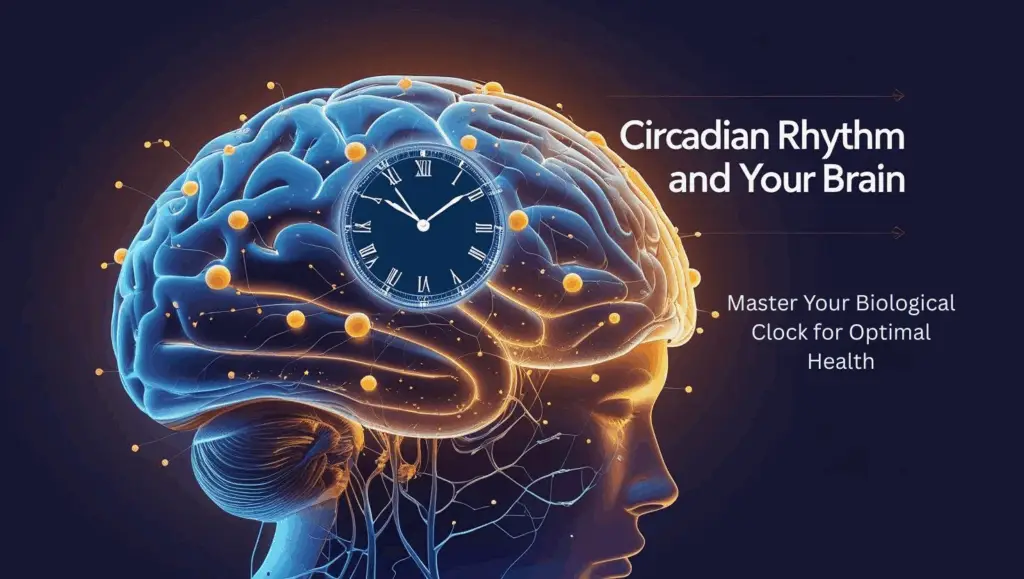
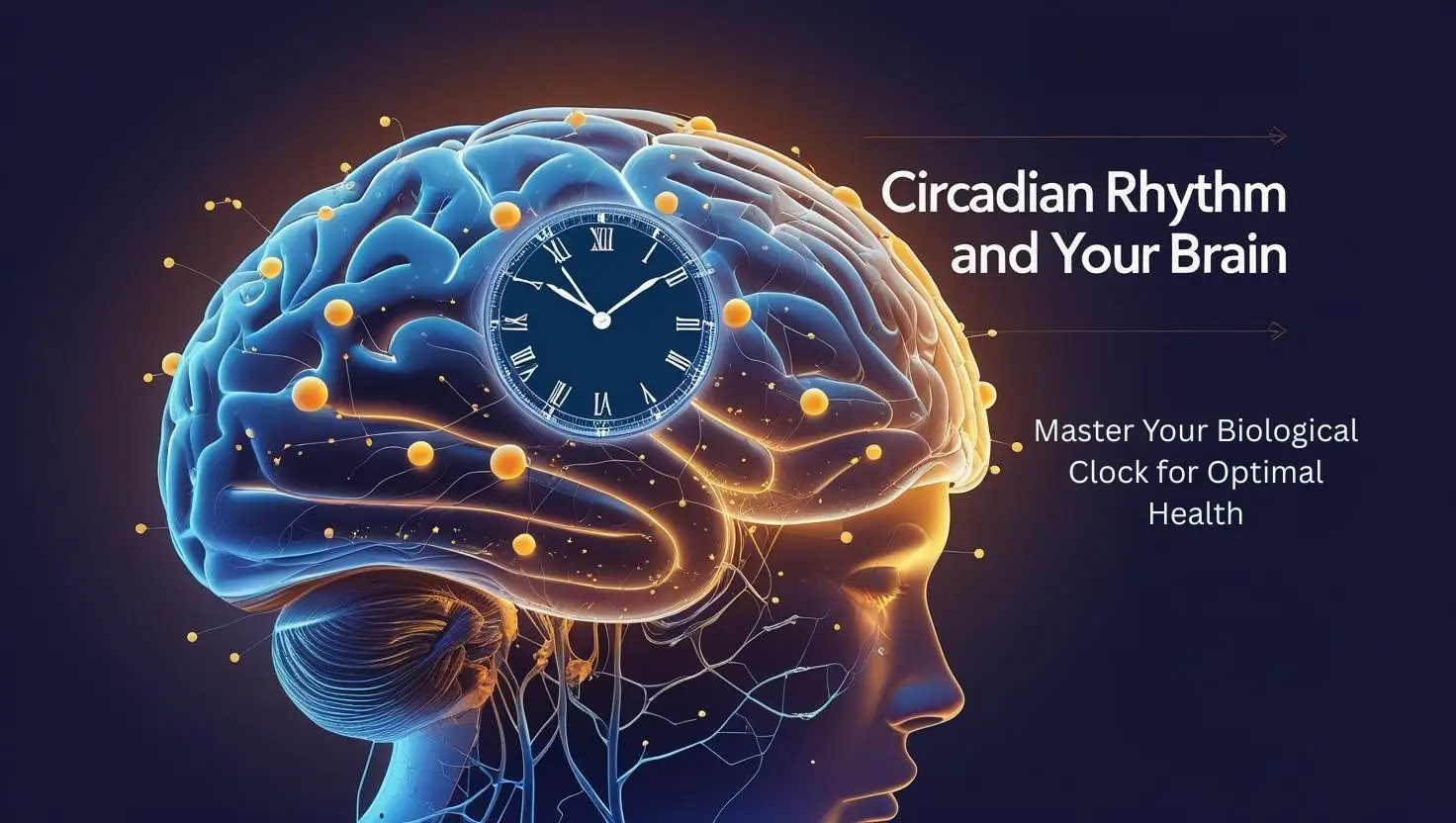
Your circadian rhythm is like an orchestra conductor, ensuring all bodily processes—sleep, digestion, metabolism—play in harmony. Circadian misalignment, caused by irregular sleep schedules, shift work, or late-night habits, throws this conductor off beat, leading to metabolic chaos.
| Misalignment Effect | Biological Consequence |
|---|---|
| Eating past 8 PM | 55% more fat storage vs. daytime eating |
| Late-night light exposure | Melatonin suppression → increased carb cravings |
| Weekend “social jet lag” | Confused liver → sluggish metabolism |
- Late-Night Eating: Eating after 8 PM, when your metabolism naturally slows, can lead to 55% more fat storage compared to daytime meals. Your body is less efficient at burning calories at night, as shown in a 2019 study (Food Intake Timing).
- Artificial Light Exposure: Bright screens or lights at night suppress melatonin, the hormone that regulates sleep and influences appetite. This disruption not only harms sleep quality but also increases cravings for carbohydrates, according to research in Nature Reviews Endocrinology (Circadian Misalignment).
- Social Jet Lag: Inconsistent sleep schedules, like staying up late on weekends, create “social jet lag,” confusing your liver and other metabolic organs. This leads to a sluggish metabolism, as noted in a 2015 study (Social Jetlag). Every hour of social jet lag increases the odds of metabolic syndrome by 1.3 times.
Why It’s Not Just Calories
Traditional advice focuses on calories in versus calories out, but sleep deprivation adds a layer of complexity. A 2022 review in Nature Reviews Endocrinology (Obesity Review) found that sleep deprivation and obesity are directly proportional as it increases daily energy intake by over 250 kcal, far outpacing the slight increase in energy expenditure (about 100 kcal). This positive energy balance drives weight gain. Additionally, sleep-deprived individuals tend to choose high-calorie, high-fat foods, further compounding the issue.
3 Actionable Fixes to Break the Cycle
You don’t have to overhaul your life to combat the effects of sleep deprivation and circadian misalignment. These three science-backed strategies can help reset your body’s rhythms and metabolism.
1. The 90-90-1 Rule
- What to Do: 90 minutes before bed, dim your screens by 90% (use blue-light filters or night mode) and take 1 mg of melatonin or drink tart cherry juice, a natural melatonin source.
- Why It Works: Dimming screens reduces blue light exposure, which suppresses melatonin. Supporting melatonin production helps sync your circadian rhythm, improving sleep quality and reducing appetite dysregulation. A 2010 study (Melatonin and Food Intake) linked melatonin to reduced carb cravings.
2. Protein-Timed Breakfast
- What to Do: Eat 30 grams of protein within 30 minutes of waking. Try eggs, Greek yogurt, or a protein shake.
- Why It Works: A high-protein breakfast stabilizes blood sugar for up to 9 hours, reducing hunger and preventing energy crashes. It also boosts your metabolism’s “thermostat,” helping you burn calories more efficiently. A 2019 study (Meal Timing) found that eating a protein-rich breakfast protects against obesity.
3. Circadian Fasting
- What to Do: Maintain a 13-hour overnight fast, such as finishing dinner by 7 PM and eating breakfast at 8 AM.
- Why It Works: Aligning your eating window with your body’s natural light cycles optimizes metabolism and improves insulin sensitivity. A 2023 study (Time-Restricted Feeding) showed that time-restricted eating reduces obesity risk by syncing food intake with circadian rhythms.
Myth-Busting: Exercise Isn’t a Cure-All
Many believe intense exercise can offset poor sleep, but this is a myth. A 2020 study in the British Journal of Sports Medicine (Exercise and Cortisol) found that nighttime workouts can elevate cortisol levels, promoting fat storage, especially around the abdomen. While exercise is crucial for health, it can’t fully counteract the metabolic damage caused by sleep deprivation or circadian misalignment. Prioritizing sleep and timing your workouts earlier in the day is key.
Conclusion
Sleep deprivation and circadian misalignment are more than just inconveniences—they’re biological barriers to weight loss. By disrupting leptin, ghrelin, cortisol, and insulin, they trap your body in fat-storage mode, making it harder to shed pounds despite diet and exercise. The good news? You can fight back with simple, science-backed strategies like the 90-90-1 rule, protein-timed breakfasts, and circadian fasting. These steps help realign your body’s internal clock, stabilize hormones, and boost metabolism. It’s not about blaming willpower—it’s about working with your biology. For persistent sleep issues, consult a doctor to rule out disorders like sleep apnea.