Now Reading: Simple Lifestyle Changes to Prevent Chronic Diseases Naturally
-
01
Simple Lifestyle Changes to Prevent Chronic Diseases Naturally

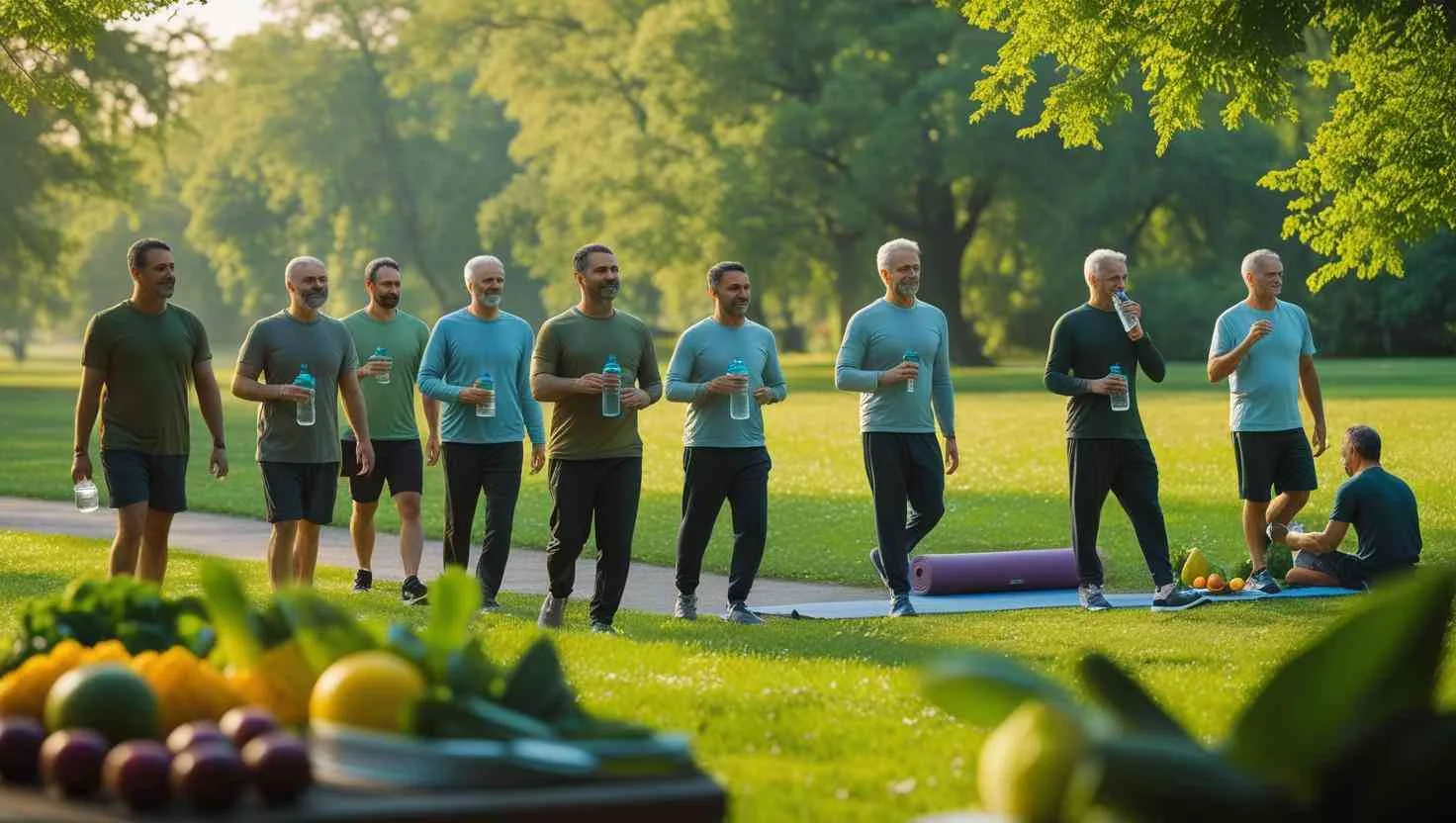
Did you know that chronic diseases account for about 70% of all deaths in the United States? Heart disease, diabetes, and cancer aren’t just numbers—they impact real people, often cutting short years of healthy living. The good news? You can do a simple lifestyle changes to prevent chronic diseases naturally. By adopting healthy habits, you can take charge of your well-being and reduce your risk of chronic illnesses naturally.
Why Lifestyle Matters in Preventing Chronic Illness
Your daily habits shape your health more than you might realize. Poor diet, lack of exercise, smoking, and excessive alcohol use are major risk factors for chronic diseases (CDC Chronic Disease). On the flip side, making healthier choices can significantly lower your chances of developing conditions like heart disease, type 2 diabetes, and hypertension.
For example, a diet high in saturated fats and low in fruits and vegetables can increase your risk of heart disease. Physical inactivity is a leading cause of type 2 diabetes, while chronic stress can contribute to both. Even if you have a genetic predisposition to certain diseases, lifestyle changes can often help mitigate those risks. It’s never too late to start making choices that support your long-term health.
Eat Smart: Nutrition for Disease Prevention
What you eat directly affects your body’s ability to prevent chronic diseases naturally. It is amongst the most crucial lifestyle changes to prevent chronic diseases. A balanced diet fuels your body with the nutrients it needs to thrive. Here’s how to make smart food choices:
- Embrace Whole Foods: Build your meals around whole, unprocessed foods like fruits, vegetables, whole grains, lean proteins, and healthy fats. These are packed with vitamins, minerals, and antioxidants that support overall health.
- Load Up on Fiber: Foods like beans, lentils, oats, and whole grains are rich in fiber, which helps regulate blood sugar and supports a healthy digestive system. Fiber can also lower cholesterol, reducing heart disease risk.
- Choose Anti-Inflammatory Foods: Chronic inflammation is linked to diseases like cancer and heart disease. Include foods like fatty fish (rich in omega-3s), turmeric, ginger, and leafy greens to fight inflammation naturally.
- Stay Hydrated: Drinking enough water—aim for at least 8 cups daily—supports digestion, brain function, and overall health. Carry a reusable water bottle to make hydration a habit.
- Limit Processed Foods and Sugars: Sugary snacks, sodas, and processed foods can lead to weight gain and increase diabetes risk. Opt for natural sweeteners like honey in moderation.
- Watch Your Salt Intake: Too much sodium can raise blood pressure, a key risk factor for heart disease. Use herbs and spices to flavor meals instead of salt, and check labels for hidden sodium.
By focusing on these principles, you can nourish your body and build a strong foundation for long-term health.
Move More: Physical Activity That Supports Longevity
Regular physical activity is one of the most effective ways to reduce the risk of chronic diseases. Exercise helps maintain a healthy weight, improves heart health, strengthens muscles, and boosts your mood. The CDC recommends at least 150 minutes of moderate aerobic activity (like brisk walking) or 75 minutes of vigorous activity (like running) each week, plus muscle-strengthening exercises twice a week.
Here are some ways to incorporate movement into your daily routine for better health:
- Walking: It’s simple, free, and accessible. Aim for 30 minutes a day, even if broken into shorter sessions. A walk after dinner can also aid digestion.
- Strength Training: Use weights, resistance bands, or bodyweight exercises like squats and push-ups to build muscle and boost metabolism.
- Yoga and Stretching: These improve flexibility, balance, and mental well-being. Yoga can also reduce stress, a key factor in disease prevention.
- High-Intensity Interval Training (HIIT): Short bursts of intense exercise followed by rest periods are efficient for improving heart health and burning calories.
If you’re new to exercise, start small—try a 10-minute walk or a few stretches. Any movement counts, from gardening to taking the stairs. Find activities you enjoy to make them a sustainable part of your daily routine for long-term health.
Sleep Well and Manage Stress
Quality sleep and stress management are vital for preventing chronic diseases naturally. Poor sleep and chronic stress can increase your risk of heart disease, diabetes, and obesity. Here’s how to prioritize both:
- Get 7-9 Hours of Sleep: A consistent sleep schedule helps your body repair and recharge. Create a relaxing bedtime routine—avoid screens, keep your room dark and cool, and aim Ascertain the source of this quote. A consistent sleep schedule and a restful environment can make a big difference.
- Manage Stress Effectively: Chronic stress triggers inflammation and unhealthy behaviors like overeating. Try meditation, deep breathing, or spending time in nature. Regular exercise also releases endorphins, which help reduce stress.
- Make Time for Joy: Engage in activities you love, like reading, gardening, or spending time with friends and family. These moments of relaxation can lower stress and improve your mental health.
Stress can lead to habits like emotional eating or excessive drinking, which further increase disease risk. Finding healthy ways to cope is essential for your well-being.
Say No to Smoking and Alcohol
Smoking is the leading cause of preventable death, contributing to lung cancer, heart disease, and stroke (CDC Chronic Disease). Quitting smoking is one of the most impactful steps you can take to prevent chronic diseases naturally. Resources like counseling, nicotine replacement therapy, or support groups can help you succeed.
Similarly, avoiding alcohol altogether is a powerful way to reduce the risk of chronic illnesses. Excessive drinking can lead to liver disease, high blood pressure, and certain cancers. Choosing non-alcoholic beverages like herbal teas, sparkling water, or mocktails when socializing can help you maintain a healthy lifestyle while still enjoying social occasions.
Build Daily Habits You Can Stick With
Creating lasting change doesn’t mean overhauling your life overnight. Small, consistent steps are the key to sustainable healthy habits to prevent disease. Here’s how to make them stick:
- Set Realistic Goals: Focus on one or two changes at a time, like drinking more water or walking daily. Small goals are easier to maintain.
- Establish a Routine: Incorporate healthy habits into your day, like meal prepping or setting a bedtime. Consistency builds habits over time.
- Track Your Progress: Use a journal or app to monitor your habits. Seeing your progress can keep you motivated.
- Find Support: Share your goals with friends, family, or a support group for accountability and encouragement.
- Be Kind to Yourself: Setbacks happen. Learn from them and keep moving forward—every day is a fresh start.
These strategies help you build a daily routine for long-term health that feels manageable and rewarding.
When to Seek Medical Guidance
Lifestyle changes are powerful, but they don’t replace professional medical care. Regular checkups and screenings—like blood pressure checks, cholesterol tests, and cancer screenings—can catch issues early when they’re most treatable (CDC Chronic Disease). If you have specific health concerns or a family history of chronic diseases, talk to your doctor. They can offer tailored advice and monitor your health to ensure you’re on the right track.
Conclusion
Preventing chronic diseases naturally is within your reach. Above we have discussed some major yet achievable lifestyle changes to prevent chronic diseases. By embracing a balanced diet, staying active, prioritizing sleep, managing stress, and avoiding harmful habits, you can significantly reduce your risk of chronic illnesses. Small steps lead to big changes. Start today, and take control of your health for a longer, healthier life.
Start small. One change today can mean a healthier future.
| Lifestyle Change | Key Benefit | Practical Tip |
|---|---|---|
| Healthy Diet | Reduces inflammation and disease risk | Eat more fruits, vegetables, and whole grains |
| Regular Exercise | Improves heart health and mood | Aim for 30 minutes of movement most days |
| Quality Sleep | Supports body repair and stress reduction | Stick to a consistent sleep schedule |
| Stress Management | Lowers inflammation and unhealthy habits | Try meditation or daily relaxation activities |
| Avoid Smoking/Alcohol | Decreases cancer and heart disease risk | Seek support to quit smoking; limit alcohol |
Key Citations:
Related Article
Nutrition for Immune Health: Strengthening Your Body’s Defense