Now Reading: How to Get Deep Sleep? Sleep Hygiene Checklist.
-
01
How to Get Deep Sleep? Sleep Hygiene Checklist.

The Ultimate Sleep Hygiene Checklist: Science-Backed Steps to Deep Sleep (Lighting, Devices, Caffeine & More)
Introduction
Did you know that 33% of Americans report fair or poor sleep, according to a 2022 Gallup survey? This statistic reflects a widespread issue among adults aged 25-55 in the USA, UK, Canada, and Europe, many of whom struggle with insomnia or poor sleep quality. The good news? Research suggests that simple, science-backed tweaks to your daily routines and environment can significantly enhance your sleep. This comprehensive sleep hygiene checklist provides actionable steps to help you achieve deep, restorative sleep. Think of sleep hygiene as charging your brain’s battery—small, consistent habits can make a big difference.
Why Sleep Hygiene Matters?
Sleep hygiene encompasses the practices and environmental factors that promote quality sleep. It’s not just about getting enough hours; it’s about ensuring those hours are restorative. Here’s why it’s crucial:
The Science of Circadian Rhythms
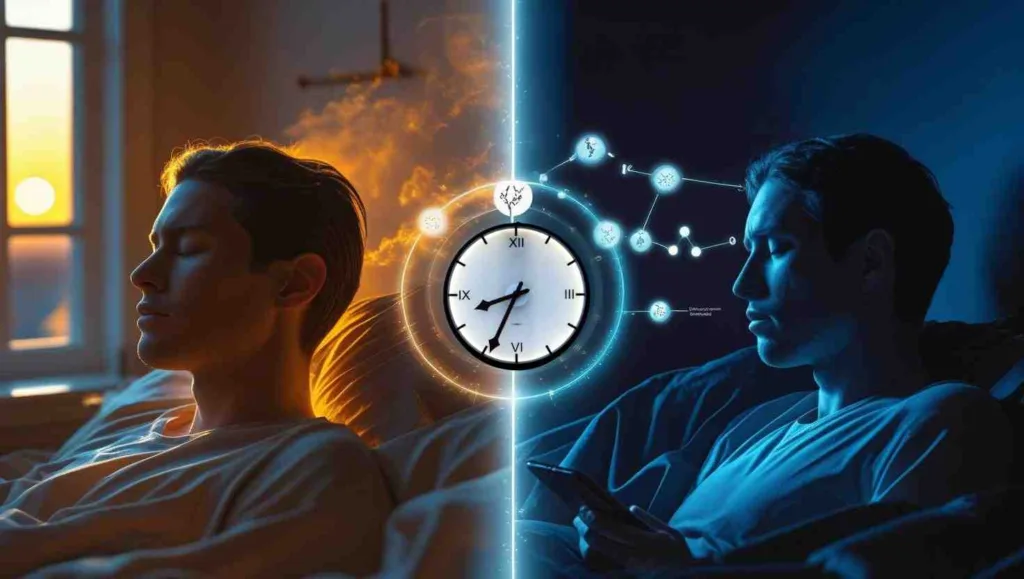
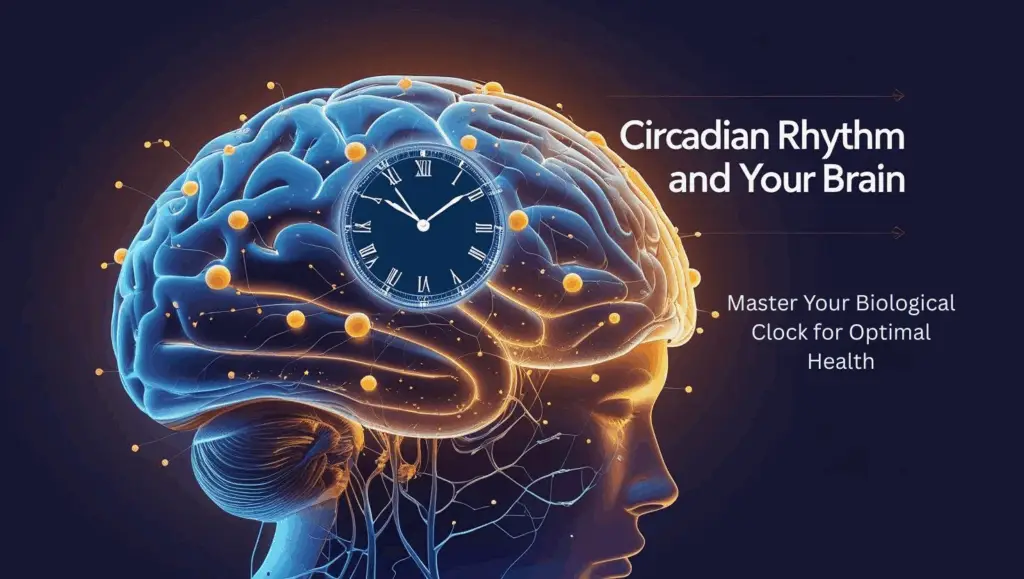
Your body operates on a circadian rhythm, a roughly 24-hour cycle that regulates sleep and wakefulness. Harvard Medical School research explains that this rhythm, controlled by a cluster of nerve cells in the brain called the suprachiasmatic nucleus, is heavily influenced by light and darkness (Circadian Rhythms and the Brain). Exposure to bright or blue light at night can suppress melatonin, the hormone that signals sleep, disrupting this rhythm. Over time, these disruptions can lead to mood disorders, cognitive impairments, and chronic health issues.
Poor Sleep and Weight Gain
Lack of sleep doesn’t just leave you groggy—it can contribute to weight gain. A 2022 review in Nature Reviews Endocrinology found that insufficient sleep alters hormones like ghrelin (which increases hunger) and leptin (which signals fullness), leading to increased appetite and cravings for high-calorie foods (The role of insufficient sleep and circadian misalignment in obesity). This hormonal imbalance can make weight management challenging, especially for those already struggling with obesity.
Poor Sleep and Depression
Sleep and mental health are deeply intertwined. A 2015 study published in PMC noted that about 75% of depressed patients experience insomnia, with 59% reporting that poor sleep significantly impacts their quality of life (Sleep disorders as core symptoms of depression). Poor sleep can exacerbate depressive symptoms, creating a cycle where insomnia worsens mood, and low mood makes sleep harder to achieve. Improving sleep hygiene can break this cycle, enhancing mental well-being.
Broader Health Impacts
Beyond weight gain and depression, poor sleep is linked to a range of health issues, including weakened immunity, increased risk of heart disease, and impaired cognitive function. The National Institutes of Health (NIH) emphasizes that quality sleep is essential for physical maintenance, emotional renewal, and overall health (Your Guide to Healthy Sleep).
The Sleep Hygiene Checklist: Your Guide on How to Get Deep Sleep
This checklist is designed to be practical and adaptable, focusing on four key areas: lighting, devices, caffeine, and temperature. Each step is backed by research to help you optimize your sleep environment and habits.
🌙 Lighting: Create a Sleep-Friendly Environment
Lighting is a critical factor in regulating your circadian rhythm. Here’s how to optimize it:
2 Hours Before Bed: Dim Lights and Use Red Bulbs
Bright lights, particularly those emitting blue wavelengths, can suppress melatonin production, making it harder to fall asleep. Harvard Health Publishing notes that even dim light (as low as eight lux, equivalent to a table lamp) can interfere with melatonin secretion (Blue light has a dark side). Two hours before bed, dim your home’s lights and consider installing red bulbs, which have minimal impact on melatonin. Red light mimics the natural sunset, signaling to your body that it’s time to wind down.
1 Hour Before Bed: Wear Blue-Blocking Glasses
If you can’t avoid screens or bright lights, blue-blocking glasses are a practical solution. These glasses filter out blue light, reducing its impact on your circadian rhythm. Affordable options are available online, and they’re particularly useful for those who work late or enjoy evening screen time. A study from the Sleep Foundation supports limiting blue light exposure to improve sleep onset (Light and Sleep).
📱 Devices: Tame the Tech
Electronic devices are a major culprit in sleep disruption due to their blue light emission and mental stimulation. Here’s how to manage them:
The 30-30 Rule: 30 cm Distance, 30-Minute Cutoff
Keep devices at least 30 cm from your face to minimize blue light exposure, and stop using them 30 minutes before bed. This allows your brain to transition from an alert state to a relaxed one. The Sleep Foundation recommends unplugging from electronics 30-60 minutes before bed to reduce mental stimulation and blue light effects (How Electronics Affect Sleep).
Night Mode Myth: It’s Not Enough
Many devices offer a “night mode” that reduces blue light, but it’s not a complete solution. A UCLA study found that even with night mode, screen light can still disrupt sleep by keeping the brain alert. For best results, combine night mode with reduced screen time and consider using blue-blocking glasses for added protection.
☕ Caffeine: Time It Right
Caffeine is a stimulant that can linger in your system, disrupting sleep if consumed too late. Here’s how to manage it:
The 2 PM Cutoff: Understand Caffeine’s Half-Life
Caffeine has a half-life of about 5-6 hours, meaning half of it remains in your system after this period. The NIH advises avoiding caffeine in the afternoon and evening to ensure it doesn’t interfere with sleep (Your Guide to Healthy Sleep). A 2 PM cutoff is a practical rule for most people, allowing your body ample time to metabolize caffeine before bedtime.
Hidden Sources: Watch Out for Sneaky Caffeine
Caffeine isn’t just in coffee—it’s also in tea, soda, chocolate, some medications, and even decaf coffee (which can contain trace amounts). The Sleep Foundation warns that these hidden sources can accumulate, so check labels and be mindful of your intake, especially after midday (Caffeine and Sleep).
🌡️ Temperature: Find the Sweet Spot
Your body temperature naturally drops as you prepare for sleep, and your bedroom should support this process.
The 65°F Sweet Spot
The NIH recommends a bedroom temperature of around 65°F (18.3°C) for optimal sleep (Your Guide to Healthy Sleep). This cool environment helps your body enter a state conducive to deep sleep, as it aligns with the natural drop in core body temperature.
Cooling Hacks: ChiliPad vs. Bamboo Sheets
If your room tends to be warm, consider cooling solutions like the ChiliPad, a mattress pad that regulates temperature, or breathable bedding like bamboo sheets, which wick away moisture and keep you cool. The Sleep Foundation highlights the importance of bedding that supports temperature regulation (Best Sheets).
Pro Tips: Shareable Snippets on How to Get Deep Sleep
These quick tips are easy to implement and share:
- “Place a thermometer by your bed—we sweat at 74°F+.” Monitoring your bedroom temperature ensures you stay in the optimal range for sleep.
- “Try the ‘10-3-2-1-0’ rule: 10 hours before bed = no caffeine, 3 hours = no food or alcohol, 2 hours = no work, 1 hour = no screens, 0 hours = no light.” This structured routine, popularized by sleep experts like Matt Walker, author of Why We Sleep, helps prepare your body and mind for rest.
- “Think of sleep hygiene like dental hygiene—small daily habits matter.” Just as brushing your teeth prevents cavities, consistent sleep habits prevent restless nights.
Myth-Busting: Common Sleep Misconceptions
Let’s debunk a prevalent myth about sleep:
- Myth: Alcohol Helps You Sleep
Many believe a nightcap aids sleep, but research from Johns Hopkins University shows otherwise. While alcohol may help you fall asleep faster, it disrupts REM sleep, the stage crucial for memory consolidation and emotional processing (Alcohol and Sleep). This leads to fragmented, less restorative sleep, leaving you groggy the next day.
Call to Action & Engagement
Ready to transform your sleep? Start implementing these tips tonight. Which tip will you try first? Share your experience in the comments below and join the conversation with #SleepHygieneSuccess. Let’s make better sleep a priority together!
Additional Tips for How to Get Deep Sleep
- Stick to a Sleep Schedule: The NIH recommends going to bed and waking up at the same time daily, even on weekends, to stabilize your circadian rhythm.
- Relax Before Bed: Engage in calming activities like reading or meditation an hour before bed to ease into sleep.
- Limit Naps: Avoid naps after 3 PM, as they can make it harder to fall asleep at night.
- Get Sunlight Exposure: Spend at least 30 minutes in natural sunlight daily to reinforce your circadian rhythm.
Table: Sleep Hygiene Checklist Summary
| Category | Action | Why It Works |
|---|---|---|
| Lighting | Dim lights 2 hours before bed, use red bulbs | Reduces melatonin suppression |
| Lighting | Wear blue-blocking glasses 1 hour before bed | Filters blue light |
| Devices | Follow the 30-30 rule (30 cm distance, 30-minute cutoff) | Minimizes blue light and mental stimulation |
| Devices | Avoid relying solely on night mode | Screen light still disrupts sleep |
| Caffeine | No caffeine after 2 PM | Accounts for caffeine’s half-life |
| Caffeine | Check for hidden caffeine sources | Prevents unintended sleep disruption |
| Temperature | Keep bedroom at 65°F | Supports natural body temperature drop |
| Temperature | Use cooling bedding or devices | Enhances comfort for hot sleepers |
Conclusion
Sleep hygiene is a powerful tool for improving your sleep and overall health. By making small, consistent changes to your lighting, device use, caffeine intake, and bedroom temperature, you can achieve deeper, more restorative sleep. Start with one or two tips from this checklist and build from there. Your brain and body will thank you for it.