Now Reading: Sleep Disorders & Depression: Recognizing Key Symptoms
-
01
Sleep Disorders & Depression: Recognizing Key Symptoms


Introduction
Depression is more than just feeling sad. It’s a serious mental health condition that can affect how you think, feel, and live your daily life. If you’re dealing with depression, you might notice that getting a good night’s sleep feels impossible. Sleep disorders, like insomnia and hypersomnia, aren’t just side effects of depression—they’re core symptoms that can make recovery harder. Understanding this connection can help you take steps toward feeling better.
In this article, we’ll explore how sleep disorders are deeply tied to depression. We’ll look at why they happen, how they affect you, and what you can do to manage them. Whether you’re struggling yourself or supporting someone else, this information can offer hope and practical solutions.
Understanding Sleep Disorders in Depression
Sleep disorders are conditions that make it hard to get the rest you need. They can affect how you fall asleep, stay asleep, or feel during the day. For people with depression, two main sleep disorders stand out:
- Insomnia: This means having trouble falling asleep, staying asleep, or waking up too early and not being able to go back to sleep. About 75% of people with depression experience insomnia, according to research from PMC.
- Hypersomnia: This is when you feel very sleepy during the day, even after sleeping a lot, or you sleep longer than usual. It affects about 40% of younger adults and 10% of older adults with depression, especially women.
These sleep problems can feel overwhelming, but knowing they’re common in depression is the first step to addressing them.
The Prevalence and Impact of Sleep Disturbances
Sleep issues are incredibly common in depression. Studies show that:
- About 75% of people with depression struggle with insomnia.
- Hypersomnia affects around 40% of young adults and 10% of older adults with depression.
- 97% of depressed individuals report sleep difficulties, and 59% say these problems significantly hurt their quality of life (PMC).
These numbers show how central sleep problems are to depression. They can make you feel more tired, irritable, and hopeless, which can make daily tasks feel impossible. Even more concerning, sleep disturbances are a major risk factor for suicide in people with depression. This makes addressing sleep a critical part of managing your mental health.
Biological Mechanisms Linking Sleep and Depression
Why are sleep and depression so closely connected? It has to do with how your brain works. Depression can change your sleep architecture—the way your brain moves through sleep stages. Research highlights several changes in people with depression:
- Trouble falling asleep (longer time to fall asleep).
- Waking up during the night and staying awake.
- Less total sleep time.
- Entering rapid eye movement (REM) sleep too quickly.
- Spending more time in REM sleep and less in deep, restorative slow-wave sleep.
These changes disrupt your body’s natural sleep-wake cycle, making it harder to feel rested. Depression also affects brain chemicals like serotonin and noradrenaline, which help regulate both mood and sleep. This overlap explains why sleep problems and depression often go hand in hand (ScienceDirect).
Sleep as a Risk Factor for Depression
Sleep problems don’t just happen because of depression—they can also lead to it. Research suggests that insomnia increases the risk of developing depression. For example:
- 14% of people with insomnia develop depression within a year.
- People with insomnia are four times more likely to develop depression over three years.
- Doctors with insomnia during medical school are twice as likely to develop depression later (PMC).
This two-way relationship means that poor sleep can make you more likely to feel depressed, and depression can make sleep worse. Breaking this cycle is key to improving your mental health.
Treatment Considerations
Treating depression often means addressing sleep problems too. Some treatments can help both at the same time. Here are some options:
- Cognitive Behavioral Therapy for Insomnia (CBT-I): This therapy helps you change thoughts and habits that keep you awake. It’s one of the most effective treatments for insomnia and can also improve depression symptoms (Johns Hopkins Medicine).
- Medications: Some antidepressants, like mirtazapine or trazodone, can improve sleep because they have calming effects. However, other antidepressants, like SSRIs, might make sleep worse at first, so talk to your doctor about what’s best for you.
- Light Therapy: If you have seasonal affective disorder (SAD), using a light box can help regulate your sleep and improve your mood (Sleep Foundation).
- Sleep Aids: Doctors may prescribe sleep medications, but these should be used carefully, as they can sometimes worsen depression symptoms.
- Lifestyle Changes: Regular exercise, a consistent sleep schedule, and avoiding caffeine or alcohol can help improve sleep.
Even after depression improves, sleep problems can linger and increase the risk of depression coming back. That’s why it’s important to keep working on your sleep with your doctor or therapist.
Tips for Managing Sleep When Depressed
If you’re struggling with sleep and depression, small changes can make a big difference. Here are some practical tips to try:
- Keep a regular sleep schedule: Go to bed and wake up at the same time every day, even on weekends.
- Create a calming bedroom: Make your space dark, quiet, and cool for better sleep.
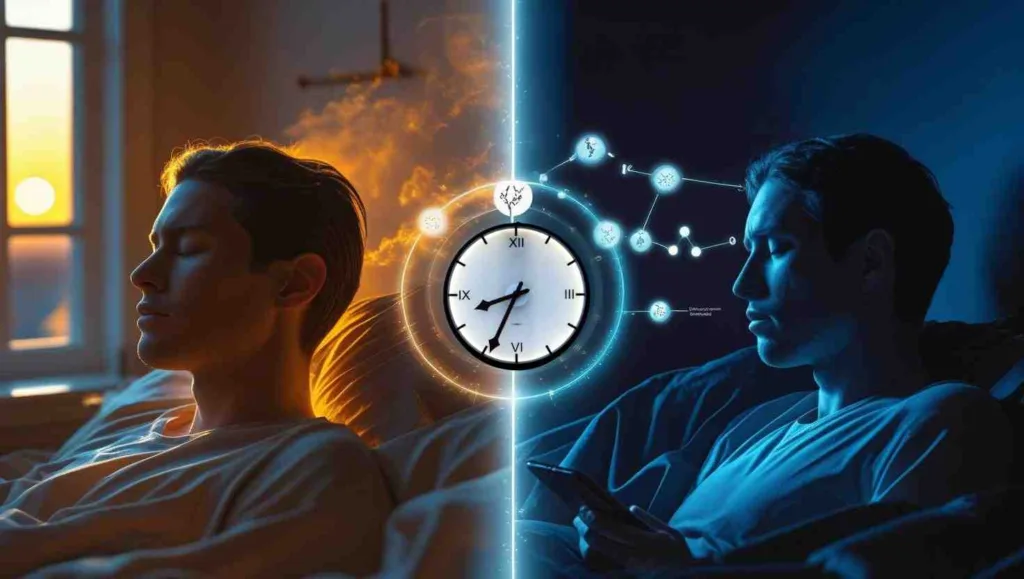
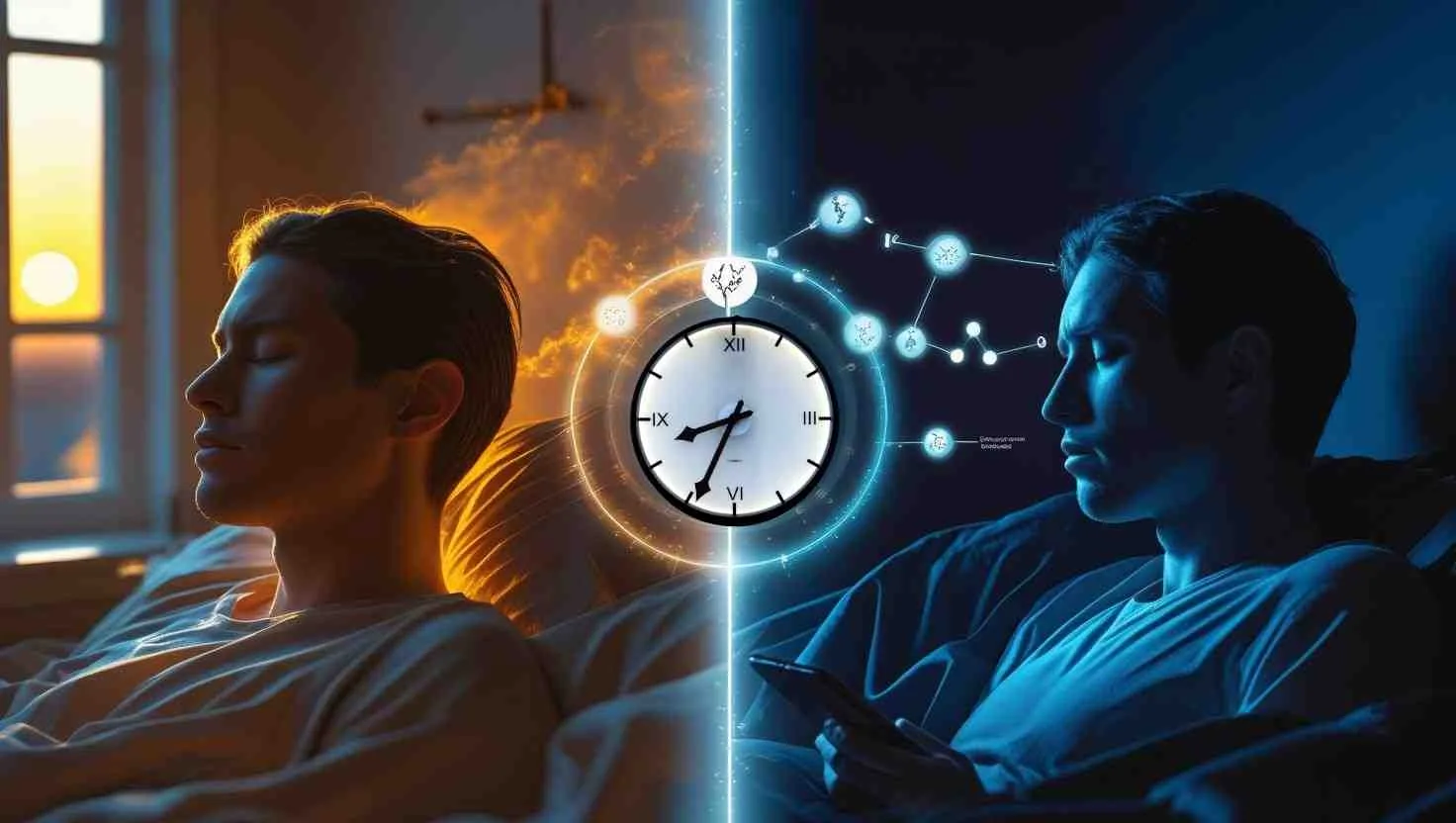
- Avoid screens before bed: The blue light from phones or computers can keep you awake.
- Limit caffeine and alcohol: These can disrupt your sleep, especially if used late in the day.
- Try relaxation techniques: Deep breathing, meditation, or gentle yoga can help calm your mind.
- Get moving: Regular exercise, like walking, can improve both sleep and mood.
If these tips don’t help enough, don’t hesitate to reach out to a doctor or therapist. They can offer more targeted solutions to help you sleep better and feel better.
Resources for Further Help
You don’t have to face depression and sleep problems alone. Here are some trusted resources to explore:
- National Institute of Mental Health (NIMH): Learn about depression and find treatment options or clinical trials (NIMH).
- National Sleep Foundation: Get information on sleep disorders and their link to mental health (Sleep Foundation).
- American Psychological Association (APA): Find a psychologist who specializes in depression or sleep issues (APA).
- Crisis Text Line: Text HOME to 741741 to connect with a trained crisis counselor (Crisis Text Line).
- National Suicide Prevention Lifeline: Call 1-800-273-TALK (8255) if you’re in crisis or having thoughts of suicide (Suicide Prevention Lifeline).
Seeking help is a brave step, and there are people ready to support you.
Conclusion and Call to Action
Sleep disorders are a core part of depression, not just a side effect. They can make you feel worse and harder to recover, but there’s hope. By understanding how sleep and depression are connected, you can take steps to improve both. Whether it’s trying new habits, talking to a doctor, or exploring therapy, addressing sleep issues can be a powerful way to support your mental health.
If you’re struggling, please reach out for help. You deserve to feel better, and there are resources and professionals ready to guide you. Take that first step today—it could make all the difference.
Key Information on Sleep Disorders and Depression
| Key Point | Details and Exact Numbers | Source |
|---|---|---|
| Prevalence of Insomnia | About 75% of depressed patients have insomnia symptoms. | PMC |
| Prevalence of Hypersomnia | Affects 40% of young adults and 10% of older adults with depression, more common in females. | PMC |
| Impact on Quality of Life | 97% of depressed patients report sleep difficulties, 59% say it significantly impacts quality of life. | PMC |
| Suicide Risk | Sleep disturbances are a proven risk factor for suicide in depression. | PMC |
| Bidirectional Relationship | Insomnia increases depression risk; 14% of those with insomnia develop depression within a year. | PMC |
| Treatment Options | CBT-I, mirtazapine, trazodone, and light therapy can improve sleep and depression. | Johns Hopkins Medicine |