Now Reading: How Digital Technology Shapes Our Lives
-
01
How Digital Technology Shapes Our Lives

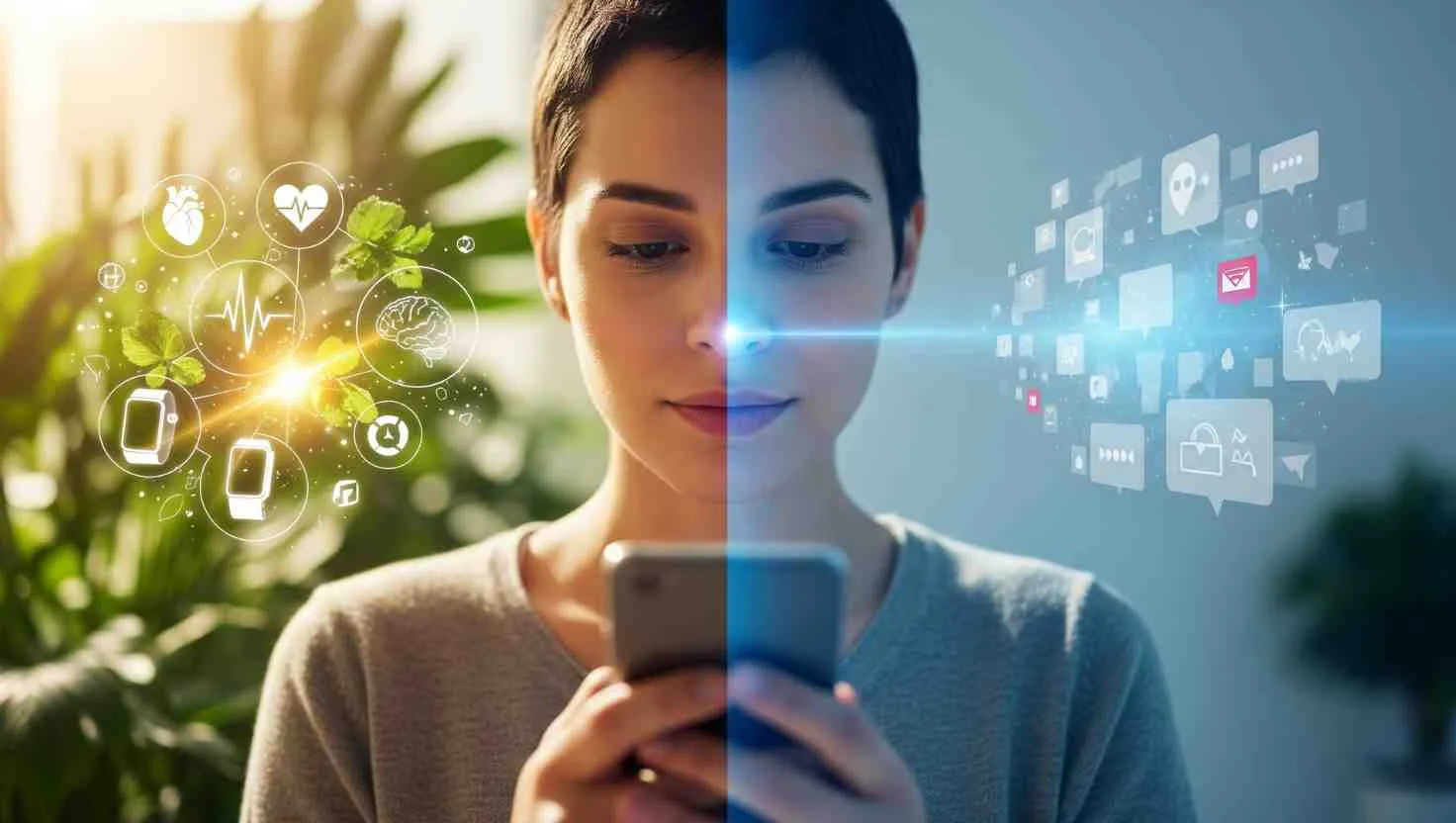
In today’s fast-paced world, digital technology has woven itself into the fabric of our daily lives. From the moment we wake up and check our smartphones for notifications to the way we work, learn, and connect with others, it’s clear that digital tools have transformed how we live. But with this constant connectivity comes a double-edged sword—while digital technology offers incredible benefits, it also poses significant challenges to our well-being. This article explores the profound impact of digital technology on our daily lives and well-being, highlighting its positives, hidden downsides, and practical tips for achieving a balanced, mindful relationship with it.
What is Digital Technology?
Digital technology refers to any system or device that uses digital signals to transmit and process information. This includes a wide range of tools and platforms such as smartphones, computers, the internet, social media, apps, and wearable devices like fitness trackers. These technologies have revolutionized how we communicate, access information, and perform tasks, making our lives more convenient and interconnected than ever before. For most of us, digital technology is no longer a luxury—it’s a necessity that shapes how we live, work, and interact.
Positive Effects of Digital Technology
Digital technology has brought numerous benefits that enhance our daily lives and well-being. Here are some of the most significant ways it impacts us positively:
Health Tracking
Digital health tools, such as fitness trackers (e.g., Fitbit, Apple Watch) and wellness apps, empower individuals to monitor their physical activity, diet, sleep patterns, and even mental health. These tools provide real-time data, encouraging healthier lifestyles and early detection of potential health issues. For example, apps like MyFitnessPal help users track their calorie intake, while meditation apps like Headspace support mental well-being.
Education Access
The internet has democratized education, providing access to a vast array of online courses, tutorials, and resources. Platforms like Coursera, Udemy, and Khan Academy enable learners of all ages to acquire new skills and knowledge from anywhere, breaking down geographical and financial barriers to education. This accessibility has empowered millions to pursue lifelong learning and career advancement.
Connectivity
Social media and communication apps have made it easier to stay connected with friends and family, regardless of distance. Video calls via Zoom or FaceTime, messaging apps like WhatsApp, and social networks like Facebook help maintain relationships and provide emotional support, especially during times of isolation. For instance, during the COVID-19 pandemic, many relied on these tools to stay connected with loved ones, reducing feelings of loneliness.
Work Efficiency
Digital technology has transformed the workplace, enabling remote work, collaboration, and increased productivity. Cloud storage, project management software like Trello, and video conferencing tools allow teams to work together seamlessly, even when physically apart. This flexibility has improved work-life balance for many, allowing them to work from home or manage tasks more efficiently.
Entertainment and Leisure
From streaming services like Netflix and Spotify to gaming platforms, digital technology offers endless options for entertainment and relaxation. These platforms provide a way to unwind, explore new interests, and de-stress, making leisure time more enjoyable and accessible.
These benefits highlight how digital technology can improve our lives, making them more convenient, connected, and informed. As noted by the Pew Research Center, technologies like video conferencing have been a “literal lifeline” for many, bringing people closer despite physical distances (Pew Research Center, 2018).
Hidden Downsides of Digital Technology
While the positives are undeniable, digital technology also has hidden downsides that can negatively impact our well-being if not managed carefully. Here are some key challenges:
Screen Fatigue
Prolonged screen time effects can lead to physical discomfort, such as eye strain, headaches, and neck pain. The blue light emitted from screens can also disrupt sleep patterns, affecting overall health and productivity. Research suggests that excessive screen time may contribute to digital fatigue, reducing our ability to focus and increasing stress levels (OECD, 2024).
Privacy Concerns
With the collection of vast amounts of personal data, there are growing concerns about privacy and data security. Data breaches and misuse of personal information by companies or governments are increasingly common. For example, scandals like Cambridge Analytica have highlighted how personal data can be exploited, raising questions about trust in digital platforms (Pew Research Center, 2018).
Mental Health Issues
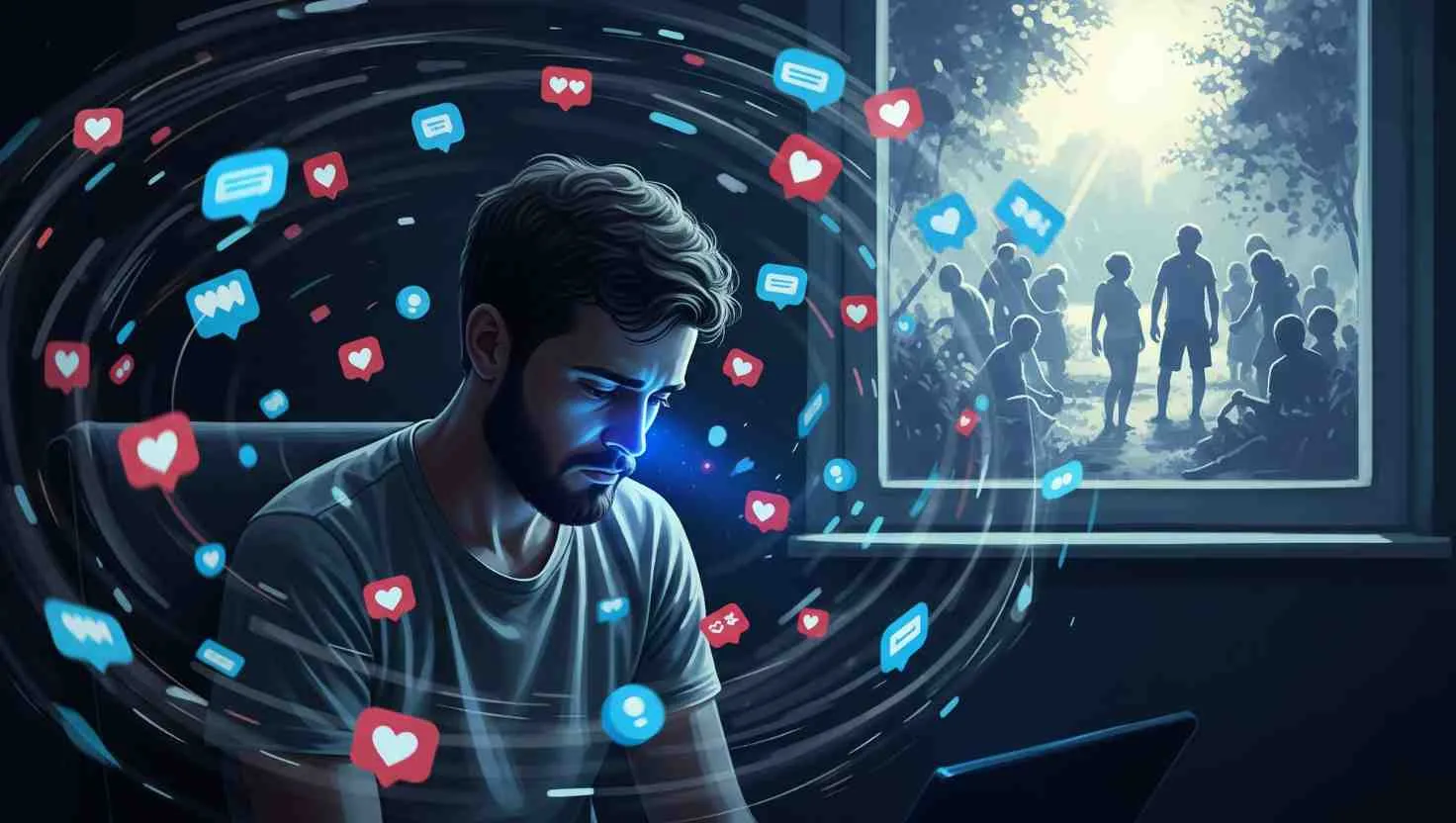
Excessive use of social media and digital devices has been linked to increased rates of anxiety, depression, and loneliness. The constant comparison to others’ curated lives on social media can lead to feelings of inadequacy and low self-esteem. Additionally, the addictive nature of social media, driven by dopamine-inducing notifications, can disrupt real-life relationships and productivity. Experts note that this is particularly concerning for teens and young adults, who may develop compulsive behaviors (Pew Research Center, 2018).
Misinformation and Fake News
The internet is rife with misinformation, which can spread rapidly and influence public opinion. This can have serious consequences, from affecting elections to public health crises, as seen during the COVID-19 pandemic. The OECD emphasizes the need for awareness to combat these risks (OECD, 2024).
Digital Addiction
Many people find it hard to disconnect from their devices, leading to digital addiction. This can interfere with real-life relationships, work, and other important aspects of life, creating a cycle of dependency. Terms like “nomophobia” (fear of being without mobile phone connectivity) have emerged to describe this phenomenon (PMC, 2023).
These downsides remind us that while digital technology offers incredible opportunities, it also comes with risks that can harm our physical, mental, and emotional well-being if not addressed.
Balancing Digital Technology Use
Achieving a balanced relationship with digital technology is essential for maintaining our well-being. Here are practical tips for mindful and balanced usage, supported by research and expert insights:
- Set Boundaries: Designate tech-free zones and times, such as during meals or before bedtime, to ensure quality time with family and friends and better sleep. For example, many families have adopted the rule of no phones at the dinner table to encourage face-to-face communication (Saturday Evening Post, 2018).
- Limit Screen Time: Use apps or device settings to track and limit screen time. For instance, set daily limits for social media use or use features like “Do Not Disturb” to minimize distractions. Tools like Zario’s Circuit Breaker™️ help users set personalized goals for app usage (Zario, 2023).
- Take Regular Breaks: Follow the 20-20-20 rule: every 20 minutes, look at something 20 feet away for 20 seconds to reduce eye strain. Schedule longer breaks throughout the day to recharge and engage in non-digital activities (Saturday Evening Post, 2018).
- Engage in Offline Activities: Make time for hobbies, exercise, and social interactions that don’t involve screens. Activities like hiking, yoga, painting, or meditation can help balance digital engagement and reduce screen time effects (Mudita, 2023).
- Be Mindful of Content: Curate your social media feeds to include positive and inspiring content. Unfollow accounts that trigger negative emotions or make you feel bad about yourself. Use social media intentionally, such as connecting with friends or learning something new, rather than mindless scrolling (TotalWellness Health, 2021).
- Protect Your Privacy: Be cautious about what personal information you share online. Use privacy settings to control who sees your data and regularly review the permissions you’ve granted to apps and websites (OECD, 2024).
By adopting these habits, we can ensure that digital technology enhances our lives rather than overwhelming them. The OECD emphasizes that raising awareness about digital risks and empowering users with skills to manage their digital experiences is key to responsible use (OECD, 2024).
Real-World Examples of Healthy Tech Habits
Many individuals and families have successfully integrated technology in daily life without letting it dominate. Here are some inspiring examples:
- Digital Detox Days: Some people set aside one day a week as a “no-screen day,” using that time for outdoor activities, reading, or spending quality time with loved ones. This practice helps reset their relationship with technology and reduces dependency (Mudita, 2023).
- Tech-Free Family Dinners: Establishing a rule that no phones are allowed at the dinner table encourages meaningful conversations and strengthens family bonds. Clinical psychologist Dr. Beatrice Tauber Prior notes that tech-free dinners foster security and problem-solving in children (Saturday Evening Post, 2018).
- Using Technology for Learning: Parents can leverage educational apps and online resources to supplement their children’s learning. For example, apps like Duolingo for language learning or Khan Academy for math make screen time productive and educational (Pew Research Center, 2018).
- Mindful Social Media Use: Instead of scrolling endlessly, some users set specific times to check social media and use it purposefully. For instance, they might follow accounts that inspire them or use platforms like LinkedIn for professional networking rather than entertainment (TotalWellness Health, 2021).
These examples demonstrate that it’s possible to use digital technology in a way that supports well-being and enriches life. By setting intentional boundaries and prioritizing meaningful interactions, individuals can maintain a healthy balance.
Conclusion
Digital technology has undeniably transformed our lives, offering unprecedented access to information, connectivity, and convenience. However, it also presents challenges that can affect our well-being if not managed properly. By understanding both the benefits and risks of digital technology and adopting mindful usage habits, we can harness its power to enhance our lives while protecting our mental and physical health. Whether it’s setting tech-free zones, limiting screen time, or engaging in offline activities, small changes can make a big difference. As we continue to navigate this digital age, let’s strive to find a balance that allows us to thrive both online and offline.
| Aspect | Positive Impacts | Negative Impacts | Mindful Usage Tips |
|---|---|---|---|
| Health | Fitness trackers and wellness apps promote healthier lifestyles. | Screen fatigue, sleep disruption from blue light. | Follow the 20-20-20 rule, limit screen time before bed. |
| Education | Online platforms provide accessible learning opportunities. | Information overload, potential for misinformation. | Curate reliable sources, use educational apps purposefully. |
| Connectivity | Social media and video calls maintain relationships. | Addiction, comparison leading to mental health issues. | Set specific times for social media, unfollow negative accounts. |
| Work | Remote work and collaboration tools enhance productivity. | Digital duress from constant connectivity. | Designate tech-free work breaks, use “Do Not Disturb” settings. |
| Privacy | Enables secure communication and data storage. | Data breaches, loss of privacy. | Use privacy settings, review app permissions regularly. |
Citations:
- OECD Papers on Well-being and Inequalities
- Pew Research Center: The Positives of Digital Life
- Mudita: Mindful Tech Use: Digital well-being for a balanced life
- WallHabit: 10 Healthy Tech Habits
Related Article
The Impact of Technology on Health: Both Physical and Mental