
Now Reading: Nutrition for Immune Health: Strengthening Your Body’s Defense
-
01
Nutrition for Immune Health: Strengthening Your Body’s Defense

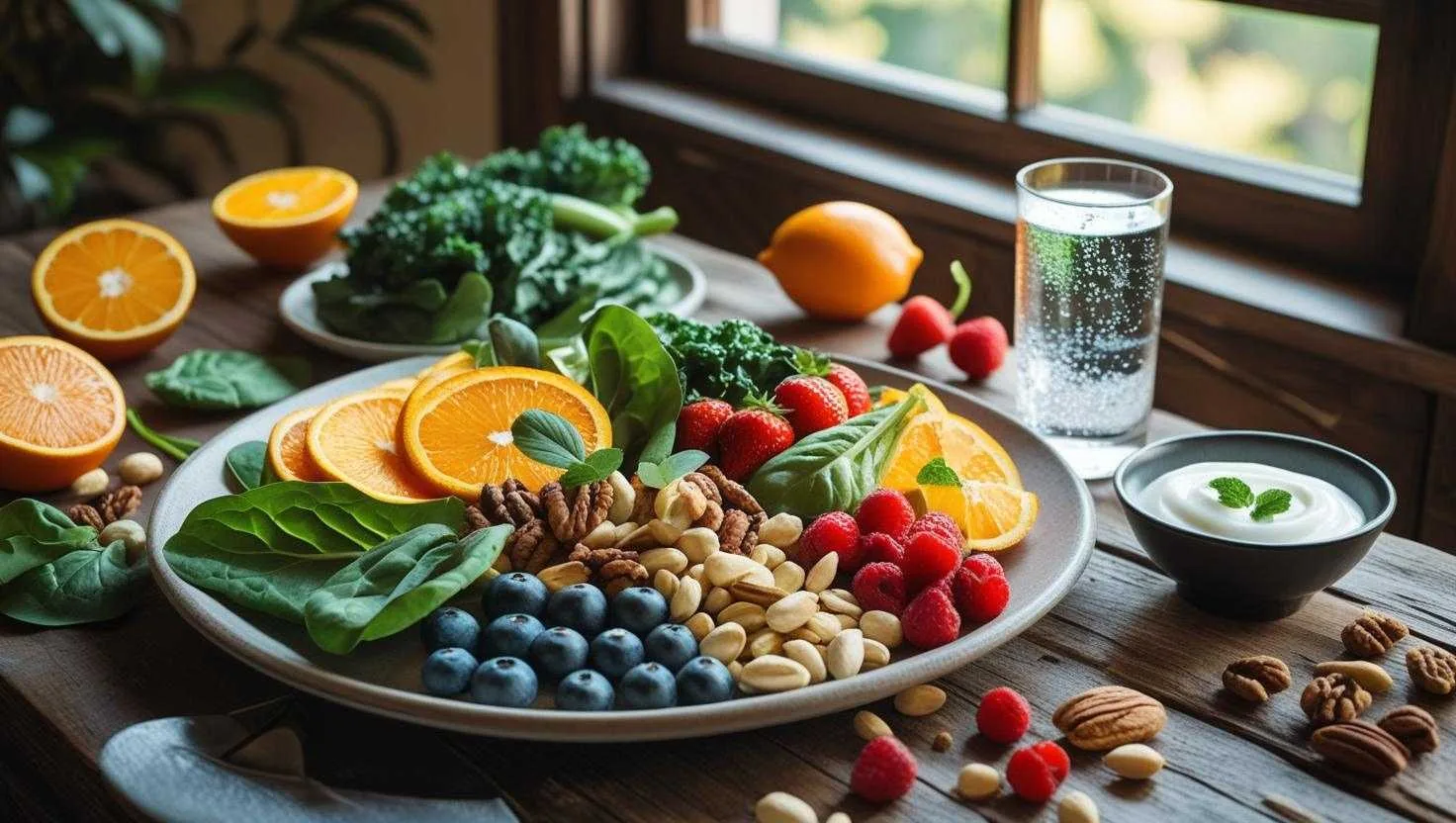
Did you know that nearly 70-80% of your immune cells reside in your gut? That’s right—your digestive system isn’t just about breaking down food; it’s a powerhouse for your body’s defense against infections and diseases. Nutrition for immune health is the key to keeping your gut—and thus your immune system—healthy and strong. In this article, we’ll explore how what you eat can bolster your immune system, the essential nutrients that support immunity, the best foods for immune support, the gut-immune connection, meal planning tips, and lifestyle factors that enhance the benefits of a healthy diet and immunity.
Why Nutrition Is the Foundation of Immune Health
Your immune system is a complex network of cells, tissues, and organs that work together to protect you from harmful invaders like bacteria, viruses, and toxins. A well-balanced diet provides the vitamins, minerals, and other nutrients your body needs to produce and maintain immune cells, fight off infections, and repair tissues. Without proper nutrition, your immune system can become weakened, making you more susceptible to illness. Think of your immune system as an army defending your body—soldiers need proper fuel to stay strong, and your immune cells need the right nutrients to function at their best.
Key Nutrients That Support Immunity
Certain vitamins and minerals are particularly important for maintaining a strong immune system. Here’s a closer look at the most crucial immune-boosting nutrients and where you can find them in your diet:
- Vitamin C: Known for its antioxidant properties, vitamin C helps protect your cells from damage and supports the function of various immune cells. It’s also involved in producing collagen, which aids wound healing. You can find vitamin C in citrus fruits like oranges and lemons, as well as in strawberries, bell peppers, and broccoli.
- Vitamin D: This vitamin plays a critical role in regulating immune responses, helping activate immune cells to fight pathogens. Since it’s not found in many foods, getting enough vitamin D often requires sunlight exposure, but you can also get it from fatty fish like salmon, fortified dairy products, and supplements.
- Zinc: Zinc is vital for the development and function of immune cells, such as T-cells and natural killer cells. It also supports wound healing and the body’s inflammatory response. Good sources include oysters, red meat, poultry, beans, and nuts.
- Protein: Protein is the building block of immune cells. Without enough protein, your body can’t produce the antibodies and immune cells needed to fight infections. Include lean meats, poultry, fish, eggs, dairy, beans, and nuts in your diet.
These nutrients work together to keep your immune system functioning optimally. While supplements can be helpful, getting these nutrients from whole foods is always the best approach whenever possible.
Top Immune-Boosting Foods to Include Daily
Incorporating foods to boost immunity into your daily diet is a simple and effective way to support your body’s defenses. Here are some of the best foods for immune support:
- Citrus Fruits: Oranges, grapefruits, lemons, and limes are packed with vitamin C, which is essential for immune function. Aim to include at least one serving of citrus fruit daily.
- Leafy Greens: Spinach, kale, and other leafy greens are rich in vitamins A, C, and E, as well as antioxidants that help reduce inflammation and support immune health. Add them to salads, smoothies, or sauté them as a side dish.
- Garlic: Known for its antimicrobial properties, garlic can enhance your immune response and add flavor to meals. Try incorporating garlic into soups, stir-fries, or roasted vegetables.
- Yogurt: Yogurt contains probiotics, beneficial bacteria that support gut health, which is closely linked to immune function. Choose plain, unsweetened yogurt for the best benefits.
- Nuts: Almonds, walnuts, and other nuts are excellent sources of zinc and vitamin E, both critical for immunity. A small handful makes a convenient, nutritious snack.
Other beneficial foods include berries, which are high in antioxidants, and fatty fish like salmon, which provide vitamin D and omega-3 fatty acids. These foods not only support immunity but also contribute to overall health.
| Food | Key Nutrient | Immune Benefit |
|---|---|---|
| Citrus Fruits | Vitamin C | Supports immune cell function, antioxidants |
| Leafy Greens | Vitamins A, C, E | Reduces inflammation, supports cell health |
| Garlic | Antimicrobial compounds | Enhances immune response |
| Yogurt | Probiotics | Supports gut health, linked to immunity |
| Nuts | Zinc, Vitamin E | Supports immune cell development, antioxidants |
The Gut–Immune Connection
As we’ve mentioned, 70-80% of your immune cells are located in your gut, making the gut-immune connection a critical aspect of nutrition for immune health. Your gut is home to trillions of microorganisms, collectively known as the gut microbiome. These microbes play a vital role in digestion, nutrient absorption, and immune function.
A healthy gut microbiome helps train your immune system to distinguish between harmful pathogens and harmless substances. It also supports the production of immune cells and maintains the integrity of the gut lining, which acts as a barrier against infections. Here’s how you can support your gut:
- Probiotics: These are live beneficial bacteria found in fermented foods like yogurt, kefir, sauerkraut, and kimchi. They help balance gut flora and support immune function.
- Fiber: Prebiotic fiber, found in foods like onions, garlic, bananas, and asparagus, feeds the good bacteria in your gut, promoting a healthy microbiome.
- Fermented Foods: Including fermented foods in your diet introduces beneficial bacteria, further supporting immune health.
By nurturing your gut, you’re not just improving digestion—you’re strengthening your immune system.
Meal Planning Tips for Immune Support
Planning your meals with immune health in mind can make a big difference. Here are some practical tips to help you incorporate the best foods for immune support:
- Balanced Plate: Aim for a plate that includes lean protein, whole grains, and plenty of vegetables and fruits. For example, try grilled chicken with quinoa and steamed broccoli for a nutrient-packed meal.
- Smoothies: Start your day with a smoothie packed with berries, spinach, yogurt, and a handful of nuts. This is a quick way to get multiple immune-boosting nutrients.
- Snacks: Choose snacks like carrot sticks with hummus or apple slices with almond butter. These provide vitamins, healthy fats, and fiber to keep you energized.
- Hydration: Drink plenty of water throughout the day to support all bodily functions, including immune response. Aim for at least eight glasses daily.
You don’t need to overhaul your diet overnight. Small changes, like adding an extra serving of vegetables or swapping processed snacks for nuts, can have a significant impact over time.
| Meal Type | Example | Immune-Boosting Nutrients |
|---|---|---|
| Breakfast | Berry-spinach smoothie with yogurt | Vitamins C, E, probiotics |
| Lunch | Grilled chicken, quinoa, broccoli | Protein, zinc, vitamin C |
| Snack | Carrot sticks with hummus | Vitamin A, fiber |
| Dinner | Salmon with kale and brown rice | Vitamin D, omega-3s, vitamins A, C, E |
Lifestyle Factors That Enhance Nutritional Benefits
While a healthy diet and immunity go hand in hand, other lifestyle factors can amplify the benefits of good nutrition. Here are three key areas to focus on:
- Sleep: Getting enough quality sleep is crucial for immune function. During sleep, your body produces cytokines, proteins that help regulate immune responses. Aim for 7-9 hours of sleep per night.
- Stress Management: Chronic stress can weaken your immune system by increasing inflammation and suppressing immune cell activity. Practices like meditation, yoga, or deep breathing can help manage stress.
- Exercise: Regular physical activity promotes the circulation of immune cells, boosting immune function. However, avoid overdoing it, as excessive exercise can temporarily suppress immunity.
By combining a nutrient-rich diet with these lifestyle habits, you’re giving your immune system the best possible support.
Conclusion & Next Steps
Nutrition for immune health is the foundation of a strong immune system. By focusing on immune-boosting nutrients like vitamins C and D, zinc, and protein, incorporating foods to boost immunity like citrus fruits, leafy greens, and yogurt, and supporting your gut health with probiotics and fiber, you can significantly enhance your body’s ability to fight infections. Meal planning and lifestyle factors like sleep, stress management, and exercise further amplify these benefits.
Start small—try adding one or two immune-boosting foods to your daily routine this week. Experiment with a new recipe that includes leafy greens or fermented foods. Share these tips with someone who needs a health boost! Over time, these small changes can lead to a healthier, more resilient you. Your immune system is built through consistent, healthy habits, so take it one step at a time, and your body will thank you.
Key Citations:
- The Interplay between the Gut Microbiome and the Immune System
- 10 Health Facts About Your Gut and What’s Going On
- If you want to boost immunity, look to the gut
- 5 Vitamins To Keep Your Immune System Strong
- Can Supplements Fight Coronavirus (COVID-19)? 15 Immune Boosters